Living in the Shadow: How to Support a Loved One Through a Gambling Problem Without Losing Yourself

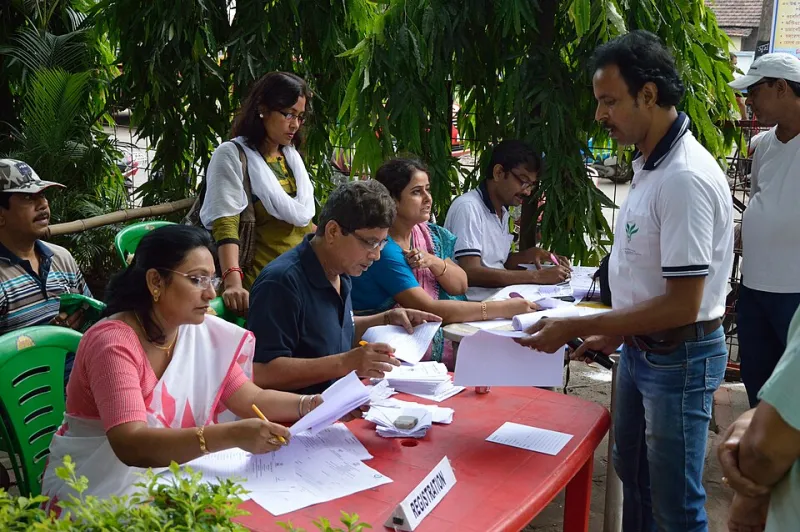
Photo: Elizabeth Ashley Jerman, CC BY 2.0, via Wikimedia Commons
A note before we begin: This article is written for the partners, spouses, parents, and close family members of people experiencing problem gambling. Your experience matters, and your need for support is just as legitimate as that of the person you are trying to help.
Sarah, a 41-year-old teacher from Leeds, describes the moment she discovered the true extent of her husband's gambling debt as "the floor disappearing beneath me." The mortgage arrears, the credit cards taken out in her name, the years of careful savings quietly drained — none of it had been visible until it was impossible to ignore. "I kept thinking, how did I miss this? And then I thought, why do I feel guilty?"
Sarah's experience is far from unique. Research from the National Problem Gambling Clinic suggests that for every person experiencing a serious gambling problem, between five and ten others in their immediate circle are significantly affected. In the UK, that translates to millions of people living alongside a problem they did not choose and may not fully understand.
This guide is for them.
Understanding What You Are Actually Dealing With
The first and perhaps most important shift for family members is recognising that problem gambling is a recognised health condition, not a moral failing or a simple matter of willpower. The Diagnostic and Statistical Manual of Mental Disorders classifies gambling disorder alongside substance use disorders, reflecting the significant evidence that it involves similar neurological reward pathways and compulsive behaviour patterns.
This matters practically. It means that confronting a loved one with anger, ultimatums issued in the heat of the moment, or appeals to "just stop" are unlikely to produce lasting change — not because the person does not care, but because the condition is more complex than a choice being made badly. Understanding this does not mean excusing harmful behaviour. It means approaching the situation with a framework that is more likely to be effective.
Recognising the Warning Signs
Many family members spend months — sometimes years — sensing that something is wrong before they can name it. Common indicators that a partner or family member may be experiencing a gambling problem include:
- Unexplained withdrawals from bank accounts or requests for money without clear justification
- Increasing secrecy around finances, devices, or whereabouts
- Mood swings that seem tied to outcomes you cannot identify — elation followed by withdrawal or irritability
- Neglect of household responsibilities, work commitments, or social obligations
- Borrowing money from friends, family, or financial institutions without apparent reason
- Finding gambling-related receipts, betting slips, or browser history
- Defensive or hostile reactions to questions about money
If several of these are present, it is worth taking seriously — even if your loved one denies there is a problem.
Having the Conversation: What Works and What Doesn't
Approaching a loved one about a suspected gambling problem is one of the most difficult conversations a person can have. There is no formula that guarantees a positive outcome, but there are approaches that are more likely to open dialogue rather than close it.
Choose the moment carefully. Conversations held immediately after a discovered loss, a financial shock, or an argument are rarely productive. When possible, raise the subject at a calm, private moment when neither of you is under immediate stress.
Use specific observations rather than accusations. "I noticed £300 left our account on Friday and I don't know what it was for" is more likely to invite honesty than "You've been gambling again, haven't you." The former opens a door; the latter invites defensiveness.
Express concern for the person, not just the consequences. Statements framed around your worry for their wellbeing — "I'm frightened because you seem really unhappy" — tend to land differently from statements focused solely on financial damage.
Be prepared for denial. Many people experiencing problem gambling are not yet ready to acknowledge it, even to themselves. A first conversation that ends without resolution is not a failure. It plants a seed.
Do not issue ultimatums you are not prepared to follow through on. Empty threats erode trust and reduce your credibility in future conversations. If you say you will take a particular course of action, mean it.
Setting Boundaries Without Enabling
This is perhaps the most emotionally complex aspect of supporting someone with a gambling problem. The instinct to protect — to cover a debt, lend money "just this once," or manage the financial fallout quietly — is entirely understandable. It is also, in most cases, counterproductive.
Providing money to someone actively gambling, or shielding them from the financial consequences of their behaviour, removes the natural feedback that might otherwise motivate change. This is not about being punitive. It is about not taking on a role that ultimately prolongs harm.
Practical boundary-setting might include:
- Opening a separate bank account to protect your own income and savings
- Removing your name from joint credit facilities where possible
- Declining to lend money or cover gambling-related debts
- Being honest with family members who are also being asked for financial support
Setting these boundaries often feels cruel in the moment. It is worth remembering that they are an act of care — for yourself, and ultimately for the person you love.
Taking Care of Yourself: This Is Not Optional
Family members of problem gamblers frequently experience elevated rates of anxiety, depression, and financial stress. GamCare's research indicates that affected others often delay seeking support for themselves because they feel their own needs are secondary. They are not.
GamAnon (gamanon.org.uk) offers peer support groups specifically for family members and friends of problem gamblers, with meetings held across the UK and online. Hearing from others who genuinely understand your situation can be profoundly validating.
GamCare's National Gambling Helpline (0808 8020 133) is available 24 hours a day and accepts calls from affected family members, not only gamblers themselves.
Your GP is a legitimate first port of call if you are experiencing anxiety, sleep disturbance, or low mood as a result of your situation. You do not need to minimise what you are going through.
Encouraging Your Loved One to Seek Help
When someone is ready to take action, it helps to have practical options available rather than a general suggestion to "get help." In the UK, several well-established routes exist:
- GamStop self-exclusion allows individuals to exclude themselves from all UK licensed online gambling operators simultaneously, free of charge, for a minimum of six months.
- GamCare offers free counselling and structured support programmes for problem gamblers.
- Gamblers Anonymous provides peer-led support groups throughout the UK.
- NHS Northern Gambling Service and NHS clinics offer specialist treatment for those with complex needs.
You can have information about these services ready without pushing. Offering a resource at the right moment — when your loved one is reflective rather than defensive — can make a genuine difference.
A Final Word
Living alongside someone else's gambling problem is exhausting, frightening, and isolating. It is also a situation from which recovery — for the gambler and for those around them — is genuinely possible. Many families have navigated this and emerged intact. The path is rarely straightforward, but it exists.
You do not have to walk it alone.
For immediate support, contact the GamCare helpline on 0808 8020 133 (free, 24 hours). For self-exclusion information, visit GamStop at gamstop.co.uk. GamAnon peer support groups for affected family members can be found at gamanon.org.uk.